Originally published 3/16/2020, and most recently updated on 11/20/2025
Seeking a new position can be exhausting. While it's true that employers often prefer to hire someone they know or someone who comes highly recommended, the good news is that building those connections is more accessible than ever before. There are great job opportunities everywhere, but you need to position yourself to find them.
The networking landscape has evolved significantly. Many of your first professional connections now happen digitally before you ever meet in person. Remote work has expanded geographic opportunities, and recruiters actively source candidates on platforms like LinkedIn, which means passive candidates are being hired all the time. You don't need to be at the right place at the right time anymore - you need to be visible in the right spaces.
So how can you go about meeting the right people? When you do connect with them, what should you say? Here are practical strategies that will help you expand your network and introduce yourself to potential employers.
Optimize Your LinkedIn Profile First
Before you start reaching out to anyone, make sure your LinkedIn profile is working for you. Recruiters use LinkedIn as their primary search tool, and if your profile isn't optimized, you're invisible to opportunities.
- Start with the Basics: Your profile photo should be professional - not a cropped wedding photo or a casual vacation shot. Your headline shouldn't just be your job title. Instead of "Accountant at XYZ Company," try something like "Financial Analyst | CPA | Specializing in Corporate Tax Strategy." This helps you appear in more recruiter searches.
- Craft a Compelling About Section: This is your chance to tell your story in your own words. Don't just list what you've done - explain what you're good at and what kind of work energizes you. Keep it conversational. Think of it as your 30-second elevator pitch in written form.
- Complete Your Work History: List your positions with actual accomplishments, not just responsibilities. "Managed accounts payable" is boring. "Streamlined AP process, reducing processing time by 30%" tells a story about impact.
- Turn on "Open to Work": You can make this visible only to recruiters if you're currently employed and want to be discreet. This signals to hiring managers and recruiters that you're open to conversations. It's a small toggle that can make a big difference in who reaches out to you.
For a comprehensive guide on building a LinkedIn profile that gets noticed by recruiters, check out our detailed post on creating a stunning LinkedIn profile, which covers everything from keyword optimization to getting recommendations from colleagues.
Master Strategic LinkedIn Networking
LinkedIn isn't just a digital resume - it's a networking platform. But there's a right way and a wrong way to use it when you're job searching.
- Build Your Foundation Network First: Start by connecting with people you actually know: former colleagues, classmates, managers, people you've worked with on projects. These connections form your credibility base. When you later reach out to new people, a robust network of real connections makes you look legitimate, not desperate.
- Personalize Every Connection Request: When reaching out to someone new, don't just hit "Connect." Click "Add a note" and write something specific. "Hi Sarah, I saw your post about the new audit software implementation at ABC Corp. I've been working with similar tools and would love to connect" works infinitely better than the generic LinkedIn message.
- Engage Before You Ask: This is critical. Don't connect with someone and immediately ask them for a job or an introduction. Spend a few weeks liking and commenting on their posts. Share relevant insights. Build a bit of rapport. When you do eventually reach out with a request, you're not a stranger anymore.
- Share Content Strategically: You don't need to post every day, but sharing occasional insights about your industry shows you're engaged and knowledgeable. Comment thoughtfully on posts from companies you'd like to work for or industry leaders you admire. This increases your visibility and positions you as someone who's paying attention.
- Respond to Recruiters Promptly: When a recruiter messages you on LinkedIn, respond within 24 hours even if you're not interested in that specific role. Recruiters work on multiple positions, and building a relationship with them can lead to other opportunities. Be clear about what you're looking for so they can keep you in mind for future roles.
If you're looking to take your professional visibility to the next level, our guide on maximizing your visibility to executive recruiters offers advanced strategies for thought leadership and strategic engagement that can help you stand out in a competitive market.
Discover what is your market worth
Join Professional Organizations and Online Communities
Whatever industry you're in, there are professional organizations that can be incredibly valuable for networking and skill-building. These aren't just resume boosters - they're actual communities where you can meet mentors, learn new skills, and hear about opportunities before they're posted publicly.
Many professional organizations now offer hybrid memberships with both virtual and in-person events. The American Institute of CPAs, Project Management Institute, and Society for Human Resource Management all have local chapters that host regular meetups, webinars, and conferences.
Don't overlook online communities, either. Industry-specific Slack groups, Discord servers, and even subreddits can be goldmines for networking. These spaces tend to be less formal than LinkedIn, which can make it easier to have genuine conversations and build real relationships.
Attend Networking Events (Both Virtual and In-Person)
As long as you're searching for a job, you want to be connecting with people whenever you can. But here's the thing: you don't need to attend every single networking event. Be strategic about where you spend your time.
- In-Person Events: Industry conferences, local meetups, and professional organization gatherings are valuable because face-to-face interactions tend to be more memorable. When you meet someone in person, they're more likely to remember you later. Dress professionally, bring business cards (yes, people still use them), and practice your introduction beforehand so you're not fumbling when someone asks what you do.
- Virtual Events: Webinars, online conferences, and Zoom networking sessions are convenient and often free. The trick with virtual events is to be active in the chat, ask questions during Q&A sessions, and follow up with people afterward on LinkedIn. Just attending passively won't get you anywhere.
- The Follow-Up is Everything: Whether it's virtual or in-person, the real networking happens after the event. Send a quick LinkedIn message within 48 hours referencing something specific from your conversation. "Great meeting you at the accounting summit. Your insight about the new tax regulations was really helpful. Would love to stay connected."
Leverage Your Alumni Network
If you attended college, your school's alumni network is one of the most underutilized resources available to you. Alumni tend to be more willing to help fellow graduates, and many schools have robust career services that you can access years after graduation.
Most universities have LinkedIn alumni groups where you can connect with graduates working in your target industry or at companies you're interested in. Many also host virtual alumni events or have geographic chapters that meet regularly. Reach out to your school's career services office and ask what resources are available to alumni.
When reaching out to fellow alumni, mention your shared connection right away: "Hi Mark, I'm a fellow Penn State grad (class of 2018) currently exploring opportunities in supply chain management. I saw that you've built an impressive career at ABC Logistics and wondered if you'd be open to a brief conversation about your experience in the field."
Work with a Specialized Recruiter
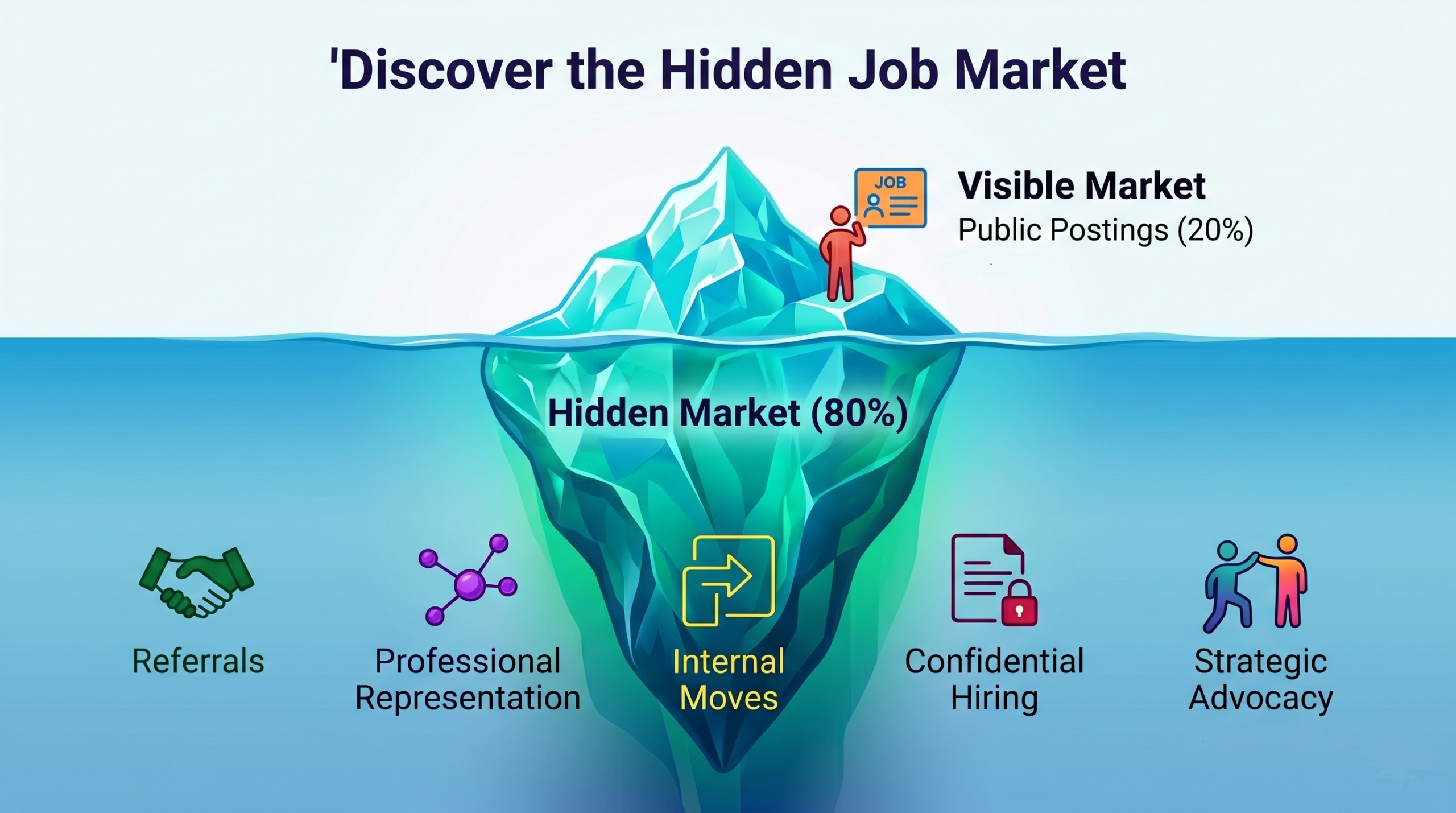
Here's something that many job seekers overlook: working with a recruiting firm that specializes in your industry can significantly accelerate your search. Recruiters have established relationships with hiring managers and often know about opportunities before they're publicly posted.
The key word there is "specialized." A generalist recruiter might be able to help, but someone who focuses specifically on accounting and finance, IT, or supply chain will understand the nuances of your field. They know what skills are in demand, what companies are hiring, and what compensation looks like for your role.
A good recruiter becomes your advocate. They can provide insider knowledge about company culture, coach you through the interview process, and negotiate on your behalf. They're also invested in your long-term success because their reputation depends on making quality placements that stick.
When you connect with a recruiter, be clear about what you're looking for. Share your resume, discuss your career goals, and ask questions about their process. A recruiter who specializes in your field should be able to speak knowledgeably about market trends and opportunities.
Building a strong relationship with a recruiter takes effort from both sides. Our post on tips for building a relationship with a recruiter covers how to ensure you're a good fit for each other, how to communicate effectively, and how to get the most value from the partnership.
Volunteer for Organizations You Believe In
Doing volunteer work for causes you believe in serves a dual purpose: you're making a positive impact while meeting like-minded people. Networking events can feel transactional, but when you're working alongside others on a project you all care about, connections form more naturally.
Volunteer work also demonstrates character and commitment - traits that look great on a resume and come up naturally in interviews. Board service, committee work, or regular volunteering shows that you're engaged in your community and willing to contribute your skills beyond a paycheck.
Look for volunteer opportunities that align with your professional skills. If you're in finance, consider treasurer positions for nonprofit boards. If you're in marketing, offer to help with a charity's social media presence. This gives you relevant experience to discuss while expanding your network.
Tell People You're Looking
This one can feel vulnerable, but it's important: let people in your life know that you're seeking a new position. You don't need to blast it on social media or tell everyone you've ever met, but your close network - friends, family, former colleagues - should know what you're looking for.
Be specific when you tell people. "I'm looking for something new" is too vague. "I'm looking for senior accountant roles in the manufacturing sector, ideally with companies doing between $50M and $200M in revenue" gives people something concrete to work with.
You'd be surprised how often opportunities come from unexpected places. Your neighbor might mention that their company is hiring. A former colleague might remember you when a position opens up. But they can only help if they know you're looking.
Make Networking a Habit, Not a Chore
The most effective networkers aren't the ones who go into hyperdrive when they need a job. They're the people who've been building and maintaining relationships all along. Even after you land your next position, keep these habits going. Stay active on LinkedIn. Attend an occasional industry event. Check in with your professional contacts a few times a year.
Networking doesn't have to mean forcing yourself to be an extrovert if that's not who you are. It's about being intentional with the connections you make and genuine in how you build relationships. Focus on quality over quantity. A dozen strong professional relationships will serve you better than 500 shallow LinkedIn connections.
The job search can feel overwhelming, but remember: every person in your network started as a stranger. Every professional relationship you have now began with a first conversation. Stay persistent, be authentic, and keep putting yourself out there.
firstPRO specializes in connecting talented professionals with opportunities in Accounting & Finance, Information Technology, Supply Chain, Engineering, and Logistics. Our recruiters understand these industries inside and out, and we're committed to helping candidates find roles where they can truly thrive. Connect with us today to start a conversation about your career goals.